There's a walk you take for exercise and a walk you take for something else. The exercise walk has a route, a pace, a goal — steps, miles, heart rate. The other kind doesn't have any of those things. It doesn't have a name, either, which is part of why it's hard to talk about. It's just: going outside and walking without knowing where you're going or when you'll come back.
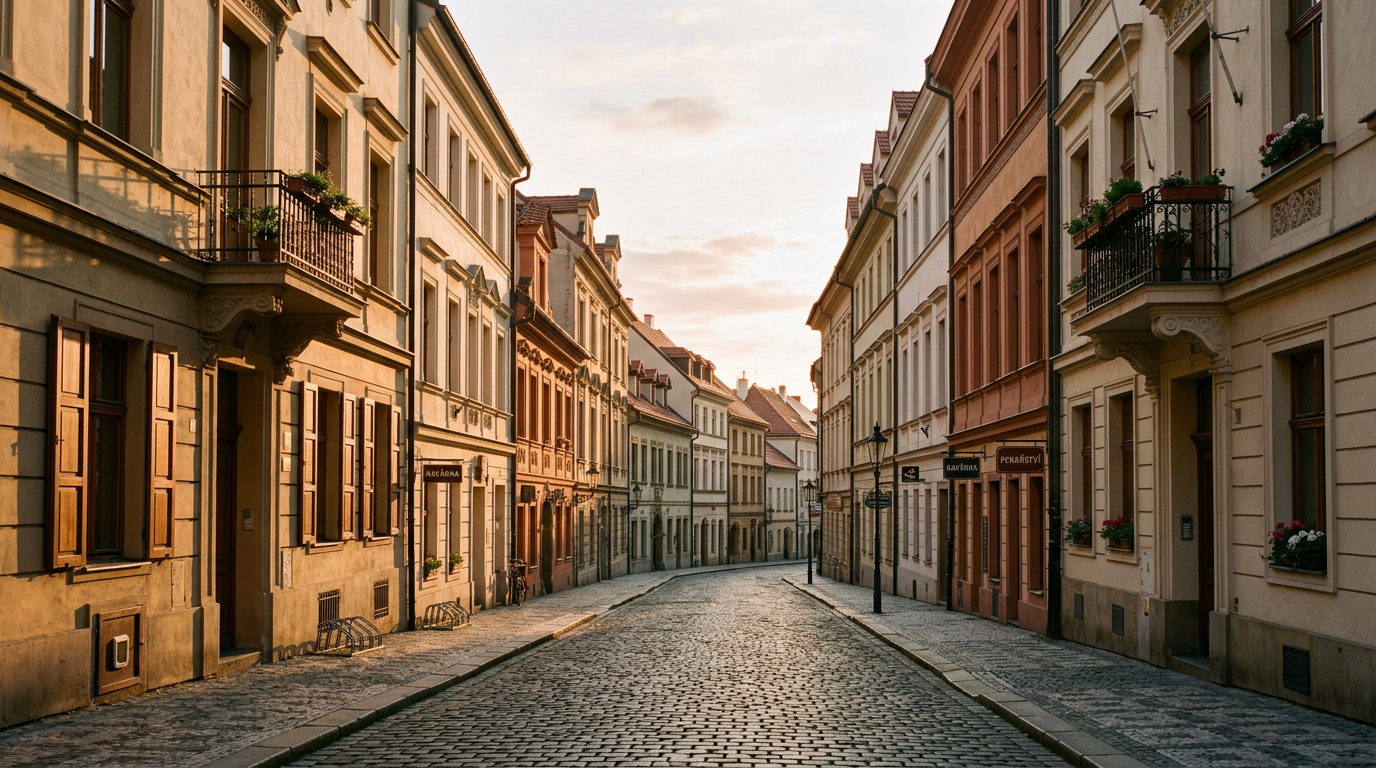
I've been doing this for about three years. It started because I was having a bad morning and I needed to not be in my apartment. I walked for forty minutes without a destination and came back different. Not fixed — different. Something had shifted in the way I was holding the problem I'd woken up with. It was still there, but it was smaller, or I was bigger, or the relationship between me and it had changed in some way I couldn't articulate.
I've been trying to articulate it ever since.
What It Does
The exercise walk is goal-directed. You're moving toward something — a distance, a time, a calorie count. The other walk is not goal-directed. You're just moving. And there's something about moving without a goal that allows a different kind of thinking. Not focused thinking — the opposite. The kind of thinking that happens when you're not trying to think.
The personal essays on grounding tradition has a name for this: diffuse thinking, as opposed to focused thinking. Focused thinking is what you do when you're solving a problem. Diffuse thinking is what happens when you stop trying to solve it. The walk creates the conditions for diffuse thinking by giving your body something to do that doesn't require your mind.
The route matters, a little. I've found that walking somewhere unfamiliar — a different neighborhood, a street I haven't been down — produces more of the diffuse thinking than walking a familiar route. The familiar route is too automatic. The unfamiliar route requires just enough attention to keep the mind from going back to the problem.
The Return
The travel and slow movement writers talk about the return from a journey as a distinct experience — not just the reversal of the outward trip, but something different. The return from the aimless walk has that quality. You come back to the same apartment, the same problem, the same day. But you're not the same person who left.
I don't know exactly what happens on the walk. I know that the creative community and practice people who do this — the ones who walk without a destination as a regular practice — describe something similar. A kind of reset. A loosening of whatever had gotten tight.
The walk that isn't exercise doesn't have a fitness benefit. It has a different kind of benefit, one that's harder to measure and easier to feel. Go outside. Don't know where you're going. Come back when you're ready.
More at Risen Today.